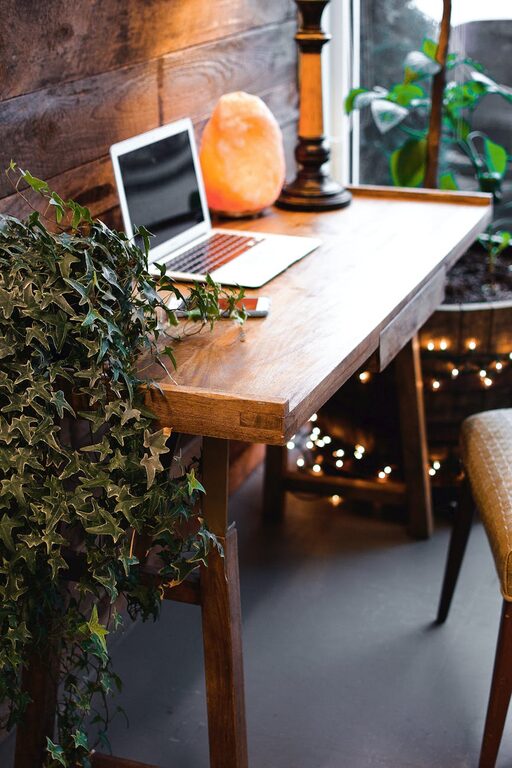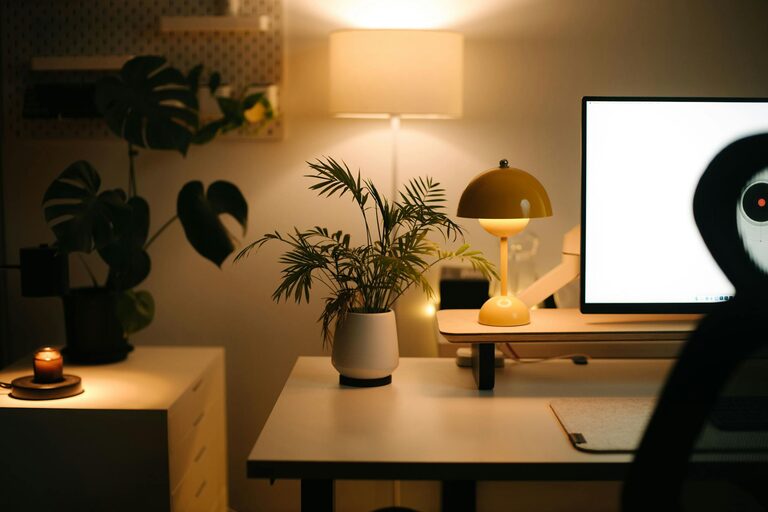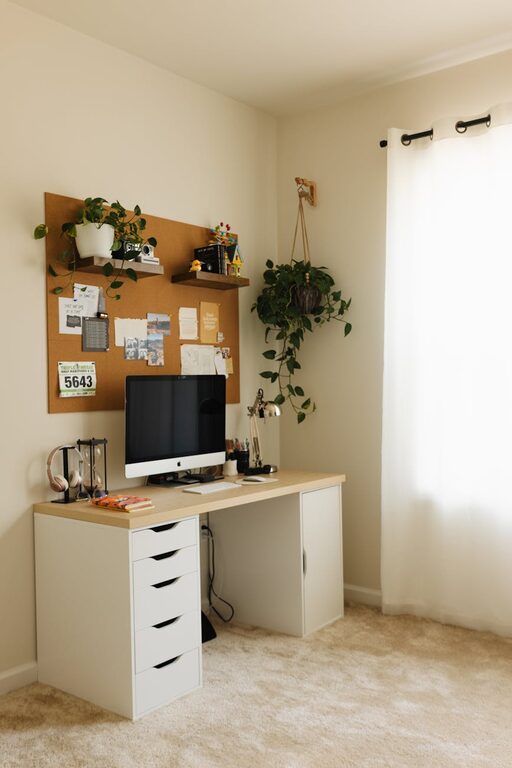
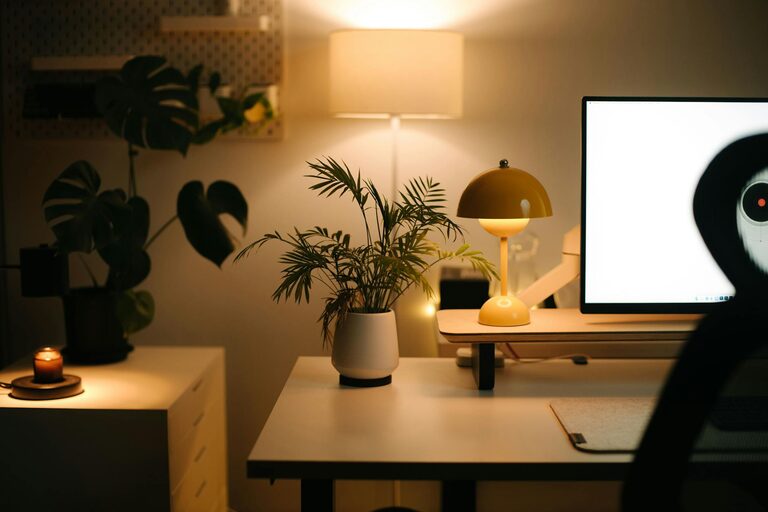
Creating a cozy and inviting home office is more than just picking a desk and chair. When designed thoughtfully, your workspace can become a place where creativity flows and concentration thrives. Whether you work from home occasionally or full-time, a comfortable environment helps reduce stress and make work feel less like a chore. Here are some practical tips on how to craft a home office that feels warm, welcoming, and tailored to your needs.
Choose the Right Location
The first step in designing your home office is selecting the perfect spot. Ideally, pick a quiet area with minimal distractions. Natural light is a bonus, as it can lift your mood and reduce eye strain.
– Consider a nook or spare room: Even a small corner can be transformed into a productive workspace.
– Avoid noisy zones: Try to keep your office away from loud household areas like the kitchen or entertainment rooms.
– Think about privacy: If possible, choose a place where you can close a door to separate work time from home life.
Invest in Comfortable, Functional Furniture
Comfort is key to an inviting office. You’ll likely spend many hours here, so ergonomic and supportive furniture is essential.
– Desk: Choose a desk that fits your work style, whether it’s a traditional desk or a standing option. Make sure it has enough surface area for your computer, accessories, and paperwork.
– Chair: An ergonomic chair with adjustable height, lumbar support, and cushioned seating helps keep your posture healthy.
– Storage: Organizers, shelves, or filing cabinets keep clutter at bay and maintain a tidy space.
Add Warm Lighting
Lighting can make a huge difference in the room’s atmosphere. Harsh artificial light may cause headaches or eye fatigue, so aim for a balance.
– Natural light: Position your desk near a window if possible.
– Task lighting: Use desk lamps with adjustable arms for focused lighting when working on detailed tasks.
– Ambient lighting: Consider soft overhead lighting or floor lamps to create a warm glow in the evenings.
Decorate with Personal Touches
Personalising your home office makes it feel inviting and less sterile. Display items that inspire and motivate you.
– Artwork or photos: Hang prints or frame pictures that make you happy or calm.
– Plants: Greenery improves air quality and adds life to your workspace.
– Rugs and cushions: These add texture and warmth, making the room feel comfortable.
Keep It Organised and Clutter-Free
A neat workspace helps your mind stay clear and focused.
– Use storage boxes and trays: Sort stationery and small items into containers to avoid mess.
– Digitise documents: Reduce paper piles by scanning important documents and storing them electronically.
– Declutter regularly: Set aside time each week to tidy your desk and office area.
Control Temperature and Air Quality
Your comfort depends on a well-ventilated, pleasant environment.
– Heating and cooling: Use a fan, heater, or adjustable thermostat to maintain a comfortable temperature all year round.
– Fresh air: Open windows when possible or use air purifiers to keep the air crisp.
– Humidity: Keep humidity balanced to avoid dry skin or respiratory irritation.
Use Colours that Promote Calm and Creativity
Colours can influence mood and productivity.
– Soft, neutral tones: Whites, creams, and light greys create a calming backdrop.
– Accent colours: Add pops of blue or green to stimulate focus and creativity.
– Avoid overly bright or harsh colours: Vibrant reds or yellows might increase stress or distraction.
Incorporate Technology Wisely
Modern offices depend on technology, but it shouldn’t overwhelm your space.
– Cable management: Hide or organise cables to keep your desk tidy and safe.
– Quality equipment: Use a reliable computer, keyboard, and mouse to reduce frustration.
– Noise control: Noise-cancelling headphones can block out distractions, creating a peaceful zone.
Establish Boundaries and Routine
Finally, creating a physical and mental boundary between work and home life helps improve focus.
– Define office space: Even if your office is part of a bigger room, visually separate it with rugs or room dividers.
– Schedule breaks: Regular short breaks reduce fatigue and increase efficiency.
– End-of-day ritual: Close your laptop, turn off office lights, or tidy your desk to signal that work is done.
—
By applying these tips, your home office can become a space where you feel comfortable, motivated, and productive. Remember, a cozy and inviting workspace is not just about looks but how it supports your daily tasks and well-being. Enjoy creating your perfect office retreat!